
Your feet hurt after wearing sneakers primarily because the internal structure of the shoe has likely failed to provide the necessary support for your specific arch type, or the material has degraded to the point where it no longer absorbs impact effectively. While sneakers are designed for comfort, they’re often mass-produced on a generic last that may not align with the unique biomechanics of your foot. Over time, the midsole foam compresses, losing its ability to cushion your steps, which forces your joints and soft tissues to compensate for the lack of shock absorption.
Key Takeaways
- Check your sneaker midsoles for visible compression lines or creases, which indicate the cushioning has reached its limit.
- Ensure your sneakers match your foot arch type—high, neutral, or flat—to prevent overpronation or underpronation.
- Replace your athletic footwear every 300 to 500 miles, or sooner if you notice persistent foot fatigue.
- Incorporate daily foot strengthening exercises to improve your natural support system and reduce dependence on shoe padding.
- Consult a podiatrist if pain persists, as it may indicate underlying structural issues like plantar fasciitis or stress fractures.
Why Do My Feet Hurt After Wearing Sneakers?
The most common cause of foot pain from sneakers is insufficient arch support. If your shoes have a flat, unshaped footbed, your arches may collapse inward with every step, a movement known as overpronation. This places excessive strain on the plantar fascia, the band of tissue connecting your heel to your toes. Additionally, if the sneaker’s base is too narrow, it can compress the metatarsal bones in the forefoot, leading to inflammation or tingling.
Another frequent culprit is inadequate midsole cushioning. Modern sneakers often use EVA or polyurethane foam, both of which have a finite lifespan. Once these materials lose their elasticity, they stop returning energy to your gait, effectively turning your comfortable sneakers into hard, unyielding surfaces. If you wear the same pair for daily walking, gym sessions, and errands, you’re accelerating this breakdown process significantly.
Signs You Need New Footwear
It’s easy to overlook the subtle signs that your shoes have reached the end of their functional life. Because foot pain often develops gradually, you might not immediately connect it to the wear and tear on your sneakers.
| Indicator | What to Look For |
|---|---|
| Midsole Creasing | Horizontal lines across the foam side panels |
| Tread Wear | Smooth patches on the heel or ball of foot |
| Heel Counter | A collapsing or soft back of the shoe |
| Arch Flattening | The insole no longer holds a firm shape |
| Lingering Pain | Soreness that lasts more than an hour post-walk |
Matching Sneakers to Your Foot Type
Not all sneakers are created equal, and wearing the wrong style for your foot shape is a recipe for discomfort. If you have high arches, you likely need a shoe with extra cushioning to absorb impact, as your feet don’t naturally pronate enough to dissipate force. Conversely, if you have flat feet, you require a shoe with a motion control or stability feature to prevent your foot from rolling inward.
- High Arches: Look for neutral-cushioned shoes with significant padding in the heel and midfoot.
- Neutral Arches: Seek out balanced, lightweight trainers that provide moderate support without being overly rigid.
- Flat Feet: Prioritize stability shoes with firmer foam on the medial side to keep your foot in a neutral position.
Essential Foot Strengthening Exercises
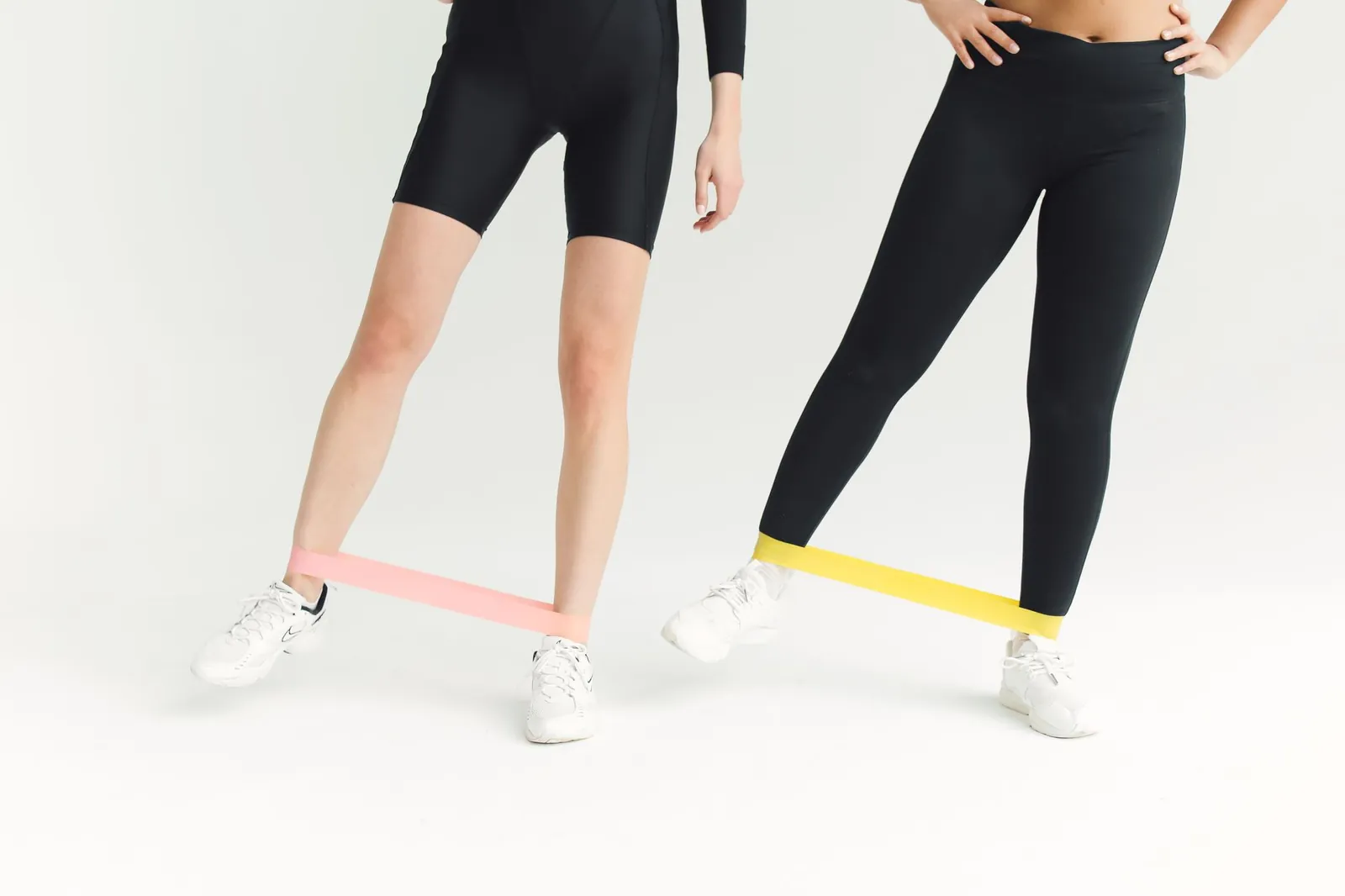
You can reduce the burden on your sneakers by building strength in the muscles that stabilize your feet and ankles. When these muscles are weak, your shoes must do all the work, which leads to early fatigue.
- Towel Curls: Sit in a chair with your feet flat on the floor. Place a small towel in front of you and use your toes to pull the towel toward you.
- Marble Pickups: Spread marbles on the floor and use your toes to pick them up and place them into a small bowl.
- Calf Raises: Stand near a wall for balance and slowly rise onto your tiptoes, holding for three seconds before lowering.
- Toe Splaying: Sit down and spread your toes as far apart as possible, holding for five seconds before relaxing.
How to Choose the Right Fit
The fit of your sneaker is just as critical as the technology inside it. Many people wear shoes that are too small or too narrow, which restricts blood flow and prevents the foot from expanding naturally during the gait cycle. Your foot should have about a thumb’s width of space between your longest toe and the front of the shoe.
Pro Tip: Always shop for new sneakers in the late afternoon or evening, as your feet naturally swell throughout the day. This ensures you buy a size that accommodates your foot at its largest, preventing the tight, cramped feeling that causes mid-day foot aches.
The Role of Insole Replacement
If your sneakers are in good condition but still feel uncomfortable, the factory-issued insole might be the problem. Most stock insoles are thin pieces of foam designed to look appealing on a shelf rather than provide lasting support. Replacing these with orthotic inserts can drastically change how your sneakers feel. These inserts are designed to redistribute pressure across the entire foot, which can alleviate localized pain in the heel or ball of the foot.
| Insert Type | Best For | Benefit |
|---|---|---|
| Gel Insoles | Heel pain | Absorbs shock |
| Rigid Orthotics | Arch support | Corrects alignment |
| Foam Inserts | General soreness | Adds comfort |
Common Mistakes to Avoid
Many people unknowingly sabotage their foot health by making poor choices regarding their footwear maintenance and usage. Avoiding these common errors can help you keep your feet comfortable throughout the day.
- Tying laces too tightly: This can cause nerve irritation and numbness on the top of the foot.
- Using running shoes for everything: Running shoes are built for forward motion, not the lateral movements required for gym workouts or casual walking.
- Ignoring the “break-in” period: Never wear brand-new sneakers for a long day of walking; give them time to mold to your feet.
- Leaving shoes in the car: Heat can break down the adhesives and foams in your sneakers, destroying their support structure prematurely.
When to See a Professional

While most foot pain from sneakers is temporary and related to footwear choice, persistent discomfort can be a sign of a more serious issue. According to the American Academy of Orthopaedic Surgeons, you should consult a doctor if you experience severe swelling, an inability to bear weight on the foot, or pain that persists even when you aren’t wearing shoes. These symptoms can indicate conditions such as stress fractures, tendonitis, or chronic nerve entrapment that simple shoe changes can’t resolve.
Warning: Don’t attempt to “walk off” sharp, stabbing pain in your heel or arch, as this can exacerbate micro-tears in the tissue and lead to long-term chronic injury.
Frequently Asked Questions
Why do my feet hurt only in specific sneakers?
Your feet likely hurt in specific sneakers because those shoes lack the specific arch support or width your foot requires. Different brands use different foot shapes, known as lasts, for their manufacturing. If a particular sneaker’s last doesn’t match your foot’s anatomy, it will cause pressure points or force your foot into an unnatural position, leading to localized pain that you don’t feel in other, better-fitting shoes.
Can old sneakers cause back pain?
Yes, worn-out sneakers can cause back pain. When your shoes lose their cushioning, your body loses its primary shock absorption system. This forces your ankles, knees, and hips to absorb the impact of every step. This chain reaction of misalignment often travels upward, causing strain in your lower back as your muscles work harder to compensate for the lack of stability and cushioning in your footwear.
How often should I replace my sneakers?
Most experts recommend replacing your sneakers every 300 to 500 miles of use. For a casual walker, this typically translates to every six to twelve months. If you notice the midsole feels “dead” or compressed, or if the tread is worn down to the foam, it’s time for a new pair, regardless of how many months you have owned them.
Are expensive sneakers always better?
Not necessarily. The price of a sneaker often reflects brand marketing and complex aesthetic design rather than superior foot health technology. A mid-range sneaker that fits your specific arch and provides the right level of stability is always better than a high-end, expensive model that doesn’t match your biomechanical needs. Always prioritize fit and structural support over brand name or price point.
Should I wear socks with my sneakers?
Yes, you should always wear moisture-wicking socks with your sneakers. Socks provide a necessary buffer between your skin and the shoe, preventing friction that leads to blisters. Furthermore, they help manage moisture, which is vital because damp feet are more prone to slipping inside the shoe, which causes your muscles to tense up and leads to premature fatigue and soreness by the end of the day.
Conclusion
If you find that your sneakers are still causing discomfort after trying these adjustments and ensuring a proper fit, it’s time to reassess your daily footwear rotation. Start by auditing your current collection for signs of wear and replacing any pair that shows significant midsole compression, as prioritizing structural integrity is the most effective way to protect your feet from unnecessary daily strain.