
To dry out trapped moisture or lubricate friction points between the sole and the shoe bed is how to stop shoes from squeaking. This sound usually happens when air or moisture gets trapped inside the shoe or when the insole rubs against the interior lining. If the noise is coming from the heel, the cause is often a loose shank or a worn-out component that needs a professional repair.
Why your shoes are still squeaking
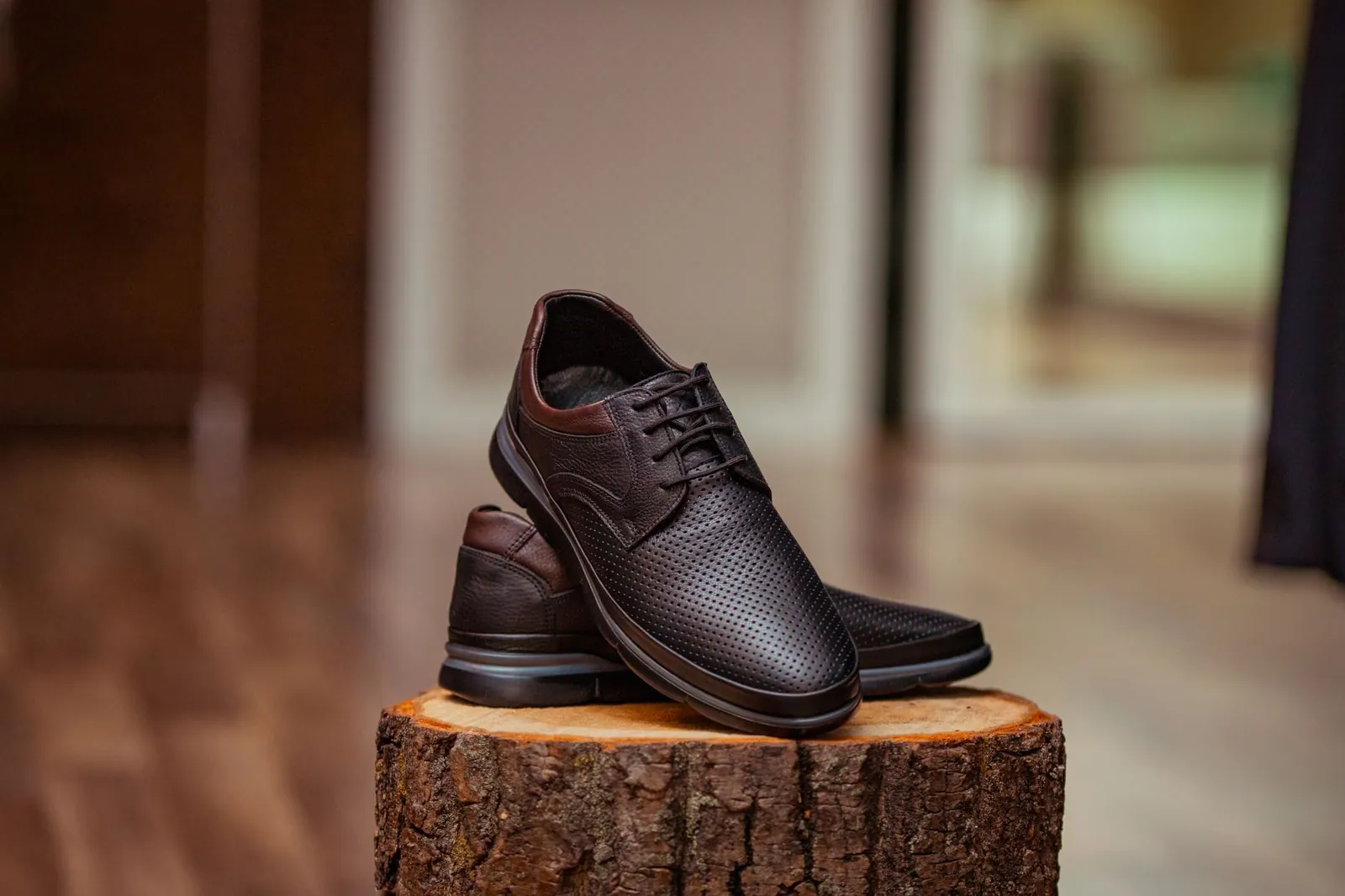
The primary reason for squeaky footwear is trapped moisture. When your feet sweat or you walk through damp grass, water enters the shoe and creates a layer between the insole and the base. As you step, this moisture moves and creates a high-pitched sound. If you’re wearing new shoes, the squeak may come from the factory-applied glue or the way the synthetic materials rub against each other during the break-in period.
Another common cause is the construction of the shoe itself. Many modern shoes contain a plastic shank—a piece of rigid material that provides arch support—which can become loose over time. When it shifts, it rubs against other interior parts of the shoe. If you notice the sound only on specific surfaces, it might be the tread pattern gripping the floor rather than a defect in the shoe.
Sprinkle baby powder under the insole
This method is for shoes where the insole is removable. If your insoles are glued down, don’t force them out, as you risk damaging the lining or the structural integrity of the shoe. For removable insoles, take them out completely and sprinkle a light layer of baby powder or cornstarch inside the shoe. Focus on the heel and the arch areas, as these are the most common friction points.
Once you have applied the powder, replace the insole and walk around for a few minutes to distribute the material. The powder absorbs the moisture and reduces the friction between the two surfaces.
If you have sensitive skin, use a talc-free powder to avoid irritation. This isn’t for leather-soled dress shoes, as the powder can dry out the natural oils in the leather and cause it to crack over time. If the squeaking returns after a week, you simply need to reapply a fresh layer of powder.
Apply silicone spray to the edges

If your shoes squeak because the sole is rubbing against the upper, a silicone-based lubricant is the most effective solution. This works best for athletic shoes or sneakers made of synthetic materials. Spray a small amount of silicone lubricant onto a clean cloth, then wipe it carefully along the seam where the sole meets the upper part of the shoe. Avoid getting the spray on the tread, as this will make your shoes slippery and dangerous on smooth floors.
Before applying, ensure the shoe is completely dry and free of dirt. If you use too much, the lubricant can collect dust and debris, which may worsen the friction over time. This fix isn’t for suede or delicate fabric shoes, as the spray can leave permanent oil stains that are impossible to remove.
If you’re unsure about the material, test a tiny amount on a hidden area of the shoe first. If the noise stops immediately, you have used enough lubricant.
Replace the insoles for better support
When the squeaking persists despite using powder or lubricant, the internal structure of the shoe may be failing. This often happens in older shoes where the foam insole has compressed unevenly, causing it to shift and rub against the interior walls. Replacing the original insoles with high-quality aftermarket orthotics can eliminate the noise while providing better comfort for your feet.
This is a good investment if your shoes are otherwise in great condition but have lost their internal cushioning. However, if the squeak originates from a broken heel or a damaged shank inside the sole unit, new insoles won’t fix the problem.
In that case, take the shoes to a professional cobbler. They have the tools to open the sole and secure the internal components properly. Don’t attempt to glue the sole yourself, as using the wrong adhesive can harden the material and make the shoe uncomfortable to wear for long periods.
Mistakes to avoid with noisy shoes
Using WD-40 or heavy oils will ruin the fabric and leather of your shoes while attracting dirt. These substances penetrate porous materials, creating permanent stains that are impossible to remove.
Applying heat from a hair dryer to loosen glue can warp the shape and melt synthetic parts. Excessive heat often compromises the structural integrity of the sole, leading to premature separation.
Ignoring a squeak that comes from the heel can lead to uneven wear and potential foot pain. This noise often signals that the internal shank or heel block has shifted, which alters your natural gait.
Stuffing paper inside a wet shoe doesn’t stop squeaks; it only hides the moisture issue. Trapped dampness encourages mold growth and accelerates the breakdown of the adhesives holding your footwear together.
Preventing future squeaking in your footwear

If you want to keep your shoes quiet, you must manage the moisture levels inside them. If you’re walking in the rain, don’t leave your shoes in a closed closet while they’re still damp. Always place them in a well-ventilated area to dry completely before you wear them again.
Trapped humidity causes the internal materials to swell and rub against each other, which creates that familiar, irritating noise. By allowing your footwear to breathe, you preserve the integrity of the adhesive and the fabric linings.
| If you’re doing this | Do this instead | Why |
|---|---|---|
| Wearing the same pair daily | Rotate between two pairs | Allows moisture to evaporate |
| Storing shoes in a dark box | Use a shoe rack | Promotes airflow to prevent mold |
| Using thick cotton socks | Use moisture-wicking socks | Pulls sweat away from the insole |
| Walking through deep puddles | Use waterproof spray | Keeps the interior dry |
If you notice the squeak returns despite these habits, check for small tears in the inner lining. A loose piece of fabric often catches on the footbed when damp, creating friction that sounds exactly like a wet sole on a floor.
Frequently asked questions
Can I use dish soap to stop shoes from squeaking?
No, you should never use dish soap or any liquid detergent on the inside of your shoes. While it might temporarily reduce friction, the soap residue will eventually attract dirt and cause the materials to become sticky or even hardened. This can permanently damage the lining and make the squeak much worse once the moisture from the soap evaporates.
How long does the baby powder fix last?
The powder fix usually lasts for about one to two weeks, depending on how much you walk and how much your feet sweat. If you notice the sound returning, it means the powder has either been absorbed by moisture or shaken out of the shoe. You can safely repeat the process as often as needed to maintain a quiet walk.
Is it safe to use oil on leather shoes?
No, using oil on the seams of leather shoes will likely cause permanent staining and damage the material. Leather is a porous material that absorbs liquids, and oil will spread far beyond the point of application. If you have squeaky leather shoes, use a professional leather conditioner instead of household oils or silicone sprays.
What happens if I ignore the squeaking?
Ignoring a squeak that comes from a structural failure can lead to more significant damage to the shoe’s sole. If a component like the shank is loose, it will continue to rub against other parts until it creates a hole or compromises the shoe’s stability. This can eventually lead to uneven wear patterns that may cause discomfort or pain in your feet and ankles.
Why do my new shoes squeak on tile floors?
New shoes often squeak on tile because the rubber tread is still very smooth and hasn’t yet been roughened by walking. As you wear them, the tread will naturally lose its factory finish and gain better traction. You can speed this up by walking on rougher surfaces like concrete or asphalt for a few hours to break in the soles.
Conclusion
If these quick fixes don’t silence the noise, it’s best to take your favorite pair to a local cobbler. They’ve got the right tools to fix internal structural issues that you can’t reach at home. Don’t let a little sound keep them in the closet; your shoes shouldn’t be a distraction.