
Running is a fun way to stay healthy. But not all running is the same. Some people run on roads. Others run on trails in nature. Because of this, there are two main types of running shoes. They are trail running shoes and road running shoes. Choosing the right shoe is very important. It helps you run better and stay safe. Let’s learn the difference between these two types of shoes.
What Are Road Running Shoes?
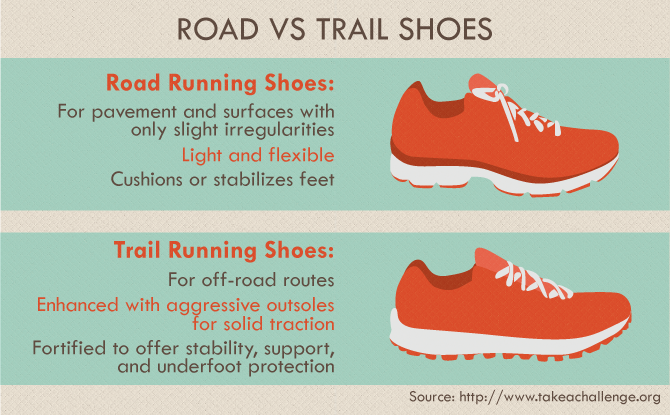
Road running shoes are made for running on flat surfaces. These include roads, sidewalks, and tracks. They are built to give comfort and support on hard, smooth ground.
Road shoes have soft soles. This soft sole helps absorb shock when your foot hits the ground. The shoes are also light. This helps you run faster without feeling heavy.
Most road running shoes have good cushioning. This means they have soft material inside to protect your feet. The shoes also have a smooth bottom. This helps your foot roll easily when you run.
Main Features Of Road Running Shoes
- Lightweight and flexible
- Good cushioning for shock absorption
- Smooth soles for easy rolling
- Designed for hard, flat surfaces
- Usually breathable to keep feet cool
What Are Trail Running Shoes?
Trail running shoes are made for running on rough paths. These paths can be dirt, rocks, mud, or grass. Trail shoes must protect your feet from sharp stones and uneven ground.
Trail shoes have thicker and tougher soles than road shoes. The soles have deep treads. These treads help your feet hold on slippery or loose surfaces. The shoes also have stronger materials to stop water and dirt from getting inside.
Many trail running shoes also protect your toes. They have a hard part at the front. This stops your toes from hitting rocks or roots.
Main Features Of Trail Running Shoes
- Thick, tough soles with deep treads
- Extra protection for toes and feet
- Water-resistant or waterproof materials
- Stronger and heavier than road shoes
- Good grip on uneven and slippery ground
Key Differences Between Trail Running Shoes and Road Running Shoes
Below is a table showing the main differences between trail and road running shoes:
| Feature | Trail Running Shoes | Road Running Shoes |
|---|---|---|
| Surface | Rough, uneven trails | Flat, hard roads |
| Sole | Thick, with deep treads | Soft, smooth for rolling |
| Weight | Heavier, more durable | Lighter, more flexible |
| Protection | More toe and foot protection | Less protection needed |
| Water Resistance | Often water-resistant or waterproof | Usually breathable, not waterproof |
| Cushioning | Moderate cushioning | More cushioning for shock |
Why Choosing the Right Shoe Matters
Wearing the right shoe helps you run safely and comfortably. If you wear road shoes on trails, you may slip or hurt your feet. Road shoes do not have strong grips. They can’t protect you from rocks or mud. You might fall or twist your ankle.
On the other hand, if you wear trail shoes on roads, your run may feel slow and heavy. Trail shoes are heavier. They have thick soles that make running on flat roads harder. Your feet might get tired faster.
So, picking the right shoe for your running surface is very important.
How to Choose Trail Running Shoes
Think about the trails you run on. Are they very rocky or muddy? Or mostly soft dirt? This helps you pick the right shoe.
- Grip: Look for deep treads for better grip.
- Protection: Choose shoes with toe caps if the trail is rocky.
- Weight: Pick lighter shoes if you want speed, heavier for more protection.
- Waterproofing: If you run in wet places, pick waterproof shoes.
How to Choose Road Running Shoes
Think about your running style and comfort. Do you want more cushioning or a lighter shoe?
- Cushioning: More cushioning helps if you run long distances.
- Weight: Lighter shoes help you run faster.
- Fit: Make sure the shoe fits well, not too tight or loose.
- Breathability: Shoes with mesh keep your feet cool.

Credit: epsoluciones.es
Can You Use Trail Shoes for Road Running?
You can use trail shoes on roads. But it is not perfect. Trail shoes are heavier and stiffer. This can make your run less comfortable and slower on roads. The thick tread can wear out faster on hard roads.
Still, if you run on mixed surfaces, like some trails and some roads, trail shoes can work well.
Can You Use Road Shoes for Trail Running?
Using road shoes on trails is not a good idea. They do not have good grip. Road shoes can let you slip on mud or rocks. They also do not protect your feet well. You risk cuts or bruises.
For safety, avoid using road shoes on rough trails.
Summary
Trail running shoes and road running shoes have different designs. Each shoe fits the needs of the surface you run on. Trail shoes protect your feet and give grip on rough paths. Road shoes give comfort and speed on flat roads.
Choosing the right shoe helps you run safer and better. Think about where you run the most. Pick shoes made for that surface. This way, you enjoy running more and avoid injuries.
Remember, the right shoe makes your run easier and more fun.
Frequently Asked Questions
What Are The Main Differences Between Trail And Road Running Shoes?
Trail shoes have stronger soles and better grip for rough terrain. Road shoes are lighter and designed for flat, hard surfaces.
Can I Use Road Running Shoes On Trails?
Road shoes lack the grip and protection needed for trails. Using them on trails may cause slips and foot injuries.
Are Trail Running Shoes Heavier Than Road Running Shoes?
Yes, trail shoes usually weigh more due to extra cushioning and tough materials. Road shoes focus on being lightweight for speed.
Do Trail Running Shoes Offer Better Ankle Support?
Many trail shoes provide extra ankle support to prevent twists on uneven ground. Road shoes often have less ankle protection.