
If your feet hurt, every step can feel hard. Foot pain and plantar fasciitis make walking tough. Choosing the right shoes can help your feet feel better. This guide will tell you what to look for in shoes. It will help you find shoes that ease your pain.
What is Plantar Fasciitis?
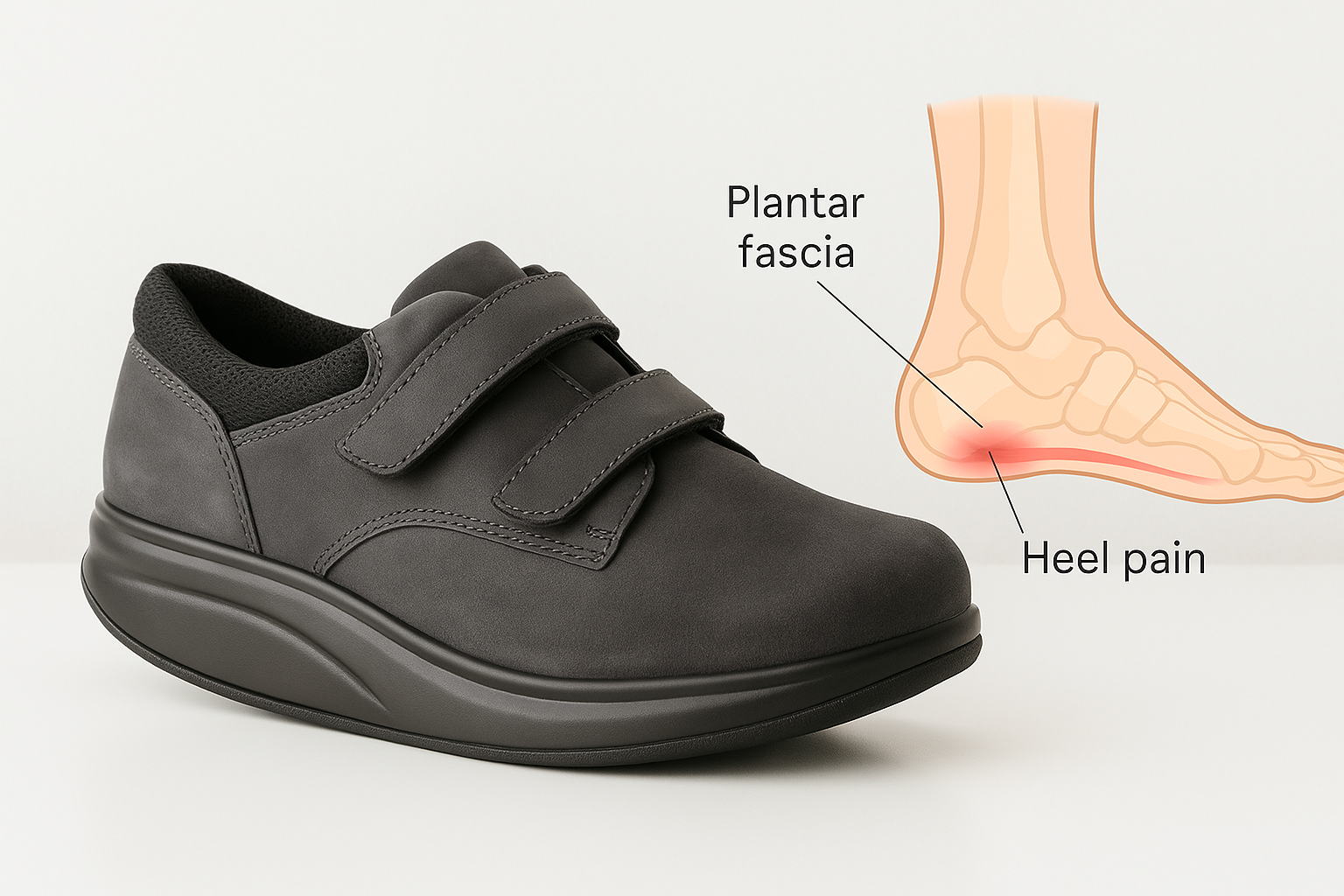
Plantar fasciitis is a common cause of foot pain. It happens when the tissue under your foot gets swollen. This tissue is called the plantar fascia. It runs from your heel to your toes. When it hurts, you feel sharp pain near the heel. It can be worse in the morning or after sitting a long time.
Many people get plantar fasciitis from standing too much or wearing the wrong shoes. Shoes that do not support your feet can make the pain worse.
Why Choosing the Right Shoes Matters
Good shoes help your feet stay strong and pain-free. They give support and comfort. Bad shoes can cause more pain and make plantar fasciitis last longer. The right shoes protect your feet from stress. They help your foot heal.
When you choose shoes, think about comfort, support, and fit. Shoes should help your foot stay in a good position. They should reduce pressure on your heel and arch.
Key Features to Look for in Shoes
Not all shoes are good for foot pain. Here are the features you need:
- Good Arch Support: Shoes should support the curve of your foot. This helps reduce stress on the plantar fascia.
- Cushioning: Soft padding in the heel and sole absorbs shock. It makes walking less painful.
- Firm Heel Counter: This is the back part of the shoe. It keeps your heel steady and stops extra movement.
- Proper Fit: Shoes should fit well but not be too tight. Too tight shoes cause more pain. Too loose shoes do not give enough support.
- Flexible Sole: The sole should bend where your foot bends. But it should not be too soft or too hard.
- Wide Toe Box: This gives your toes space to move. Tight toe boxes can cause pain and blisters.
Types of Shoes That Help With Plantar Fasciitis
Some shoe styles work better for foot pain. Here are good options:
| Shoe Type | Why It Helps | When to Use |
|---|---|---|
| Running Shoes | They have good cushioning and support. | For walking, light running, or daily use. |
| Orthopedic Shoes | Designed especially for foot problems. | For severe foot pain or long standing. |
| Walking Shoes | Lightweight with good arch support. | For everyday walking and casual wear. |
| Sandals with Arch Support | Open shoes that support your arches. | Good for warm weather and short walks. |
| Slip-On Shoes with Firm Heel | Easy to wear and keep heel steady. | For quick errands or indoor use. |
What to Avoid When Buying Shoes
Some shoes make foot pain worse. Avoid these:
- High Heels: They put extra pressure on your heel and toes.
- Flat Shoes Without Support: No arch support means more stress on your foot.
- Very Tight Shoes: Can cause blisters and reduce blood flow.
- Old, Worn-Out Shoes: Lose their cushioning and support.
- Flip Flops or Thin-Soled Shoes: Offer no support or shock absorption.
How to Check if Shoes Fit Well
Good fit is very important. Here are easy steps to check:
- Try shoes at the end of the day. Feet swell later in the day.
- Wear the socks you usually wear with shoes.
- Stand up and check if your heel fits snugly.
- Make sure there is about a thumb’s width space at the toe.
- Walk around in the shoes. They should feel comfortable right away.
- Check if the shoe holds your foot firmly but not tightly.
Tips for Taking Care of Your Feet
Besides shoes, good foot care helps reduce pain. Try these tips:
- Rest your feet when they hurt.
- Use ice packs to reduce swelling.
- Stretch your feet and calves daily.
- Wear supportive shoes all day.
- Use shoe inserts or orthotics if recommended by a doctor.

Credit: www.kurufootwear.com
When to See a Doctor
If foot pain does not get better, see a doctor. A doctor can check for serious problems. They may suggest special treatments or custom shoes. Do not ignore long-lasting pain.
Summary: Choosing Shoes for Foot Pain and Plantar Fasciitis
Choosing the right shoes helps your feet heal. Look for shoes with good arch support, cushioning, and firm heel. Avoid shoes that are tight, flat, or worn out. Make sure your shoes fit well. Take care of your feet with rest and stretching. If pain stays, see a doctor.
Remember, the right shoes make walking easier and less painful. Your feet will thank you.
Frequently Asked Questions
What Types Of Shoes Help With Plantar Fasciitis Pain?
Shoes with good arch support and cushioning reduce stress on the foot. Look for firm midsoles and deep heel cups for stability.
How Do I Know If Shoes Fit Well For Foot Pain?
Shoes should feel snug but not tight, with enough toe room. Check for no slipping at the heel and proper arch support.
Can Flat Shoes Cause Plantar Fasciitis Flare-ups?
Flat shoes often lack arch support, which can worsen foot pain. Choose shoes with slight arch support to ease plantar fasciitis symptoms.
Are Orthopedic Shoes Better For Plantar Fasciitis?
Orthopedic shoes are designed to support foot structure and reduce pain. They can be a good option for people with chronic foot issues.